Ashback Count the dead
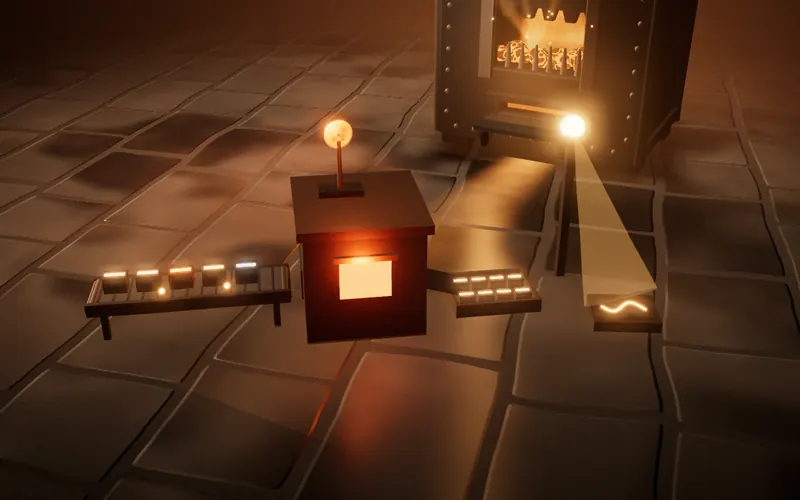
The keeper, a small furnace robot with two lamp eyes, stands at his furnace with a shovel.

AI wallet manager, coming soon

Every wallet read.
One command. Your signature.

Paste the keys or connect the wallets. The manager reads them all, finds where the SOL is, cleans every one of them, gathers the SOL in one place or spreads it, and shows each step before you sign.

In design. The report and the cleanup are open today.

01 The idea

Many wallets.
One command.

  • Every wallet read in one pass
  • Fees from the wallet that has SOL
  • Close, burn, sell, send: one fixed order
  • Gather in one place, or spread
  • A verifier reads every transaction
  • Your signature, or nothing moves
  • Nothing kept when the job ends

A wallet with dead coins and no SOL cannot clean itself. Closing an account costs a fee, and the fee has to come from somewhere. People with four or five wallets move SOL by hand, close accounts one by one, and stop halfway.

The manager closes that gap. It reads all of your wallets at once, pays each fee from the wallet of your set that holds SOL, cleans every wallet in the same fixed order, and puts the whole run on one list that you read before you sign. One command, every wallet, every step shown.

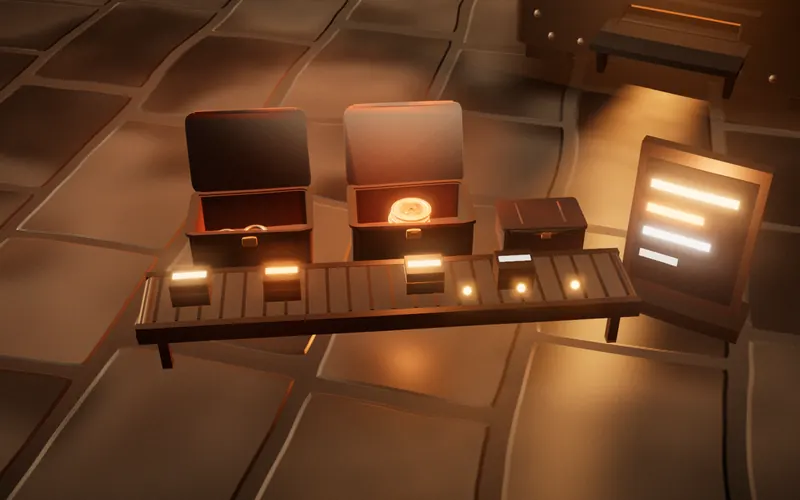
Three tin wallets on a belt: one open with dead coins and empty rings, one open with a hot stack of coins, one small and shut; the belt carries transaction crates to a lit plan tablet.
Three wallets of three states on one belt. The plan tablet lists every step; the fee dots ride from the wallet that has SOL.
Plan status Example run
3wallets
23accounts to close
0.042SOL of rent back, at least
9transactions to sign

Fees: wallet B pays for wallet A, which holds no SOL, and for itself. Wallet C pays its own.

close 23 burn 5 sell 1 send 3

Illustrative data. The figures come from the example run in the engine section, not from a real wallet: 23 empty accounts and 5 burned coins, 28 accounts closed in all. Each closed account returns the deposit it holds: 0.00149 SOL for an account opened since 11 September 2026, 0.00204 SOL for an older one, so 28 accounts return between 0.042 and 0.057 SOL.

Wallet A Wallet B Wallet C
One read One plan Verifier Your signature One receipt

The wallets are read once. One plan lists every step for every wallet. The verifier checks each transaction against that plan. You sign. The chain prints the receipt.

  • 1signatureper transaction, yours, every time
  • 0keptno keys, no wallets, no records on our side
  • 1%of the SOL freedour fee; 0% when it is taken as the coin
  • 4checkson every transaction before it reaches your wallet

02 Where we use what

Five parts.
Each one named.

Nothing in the manager is a black box. Each part below says what it is, where it runs and what it touches.

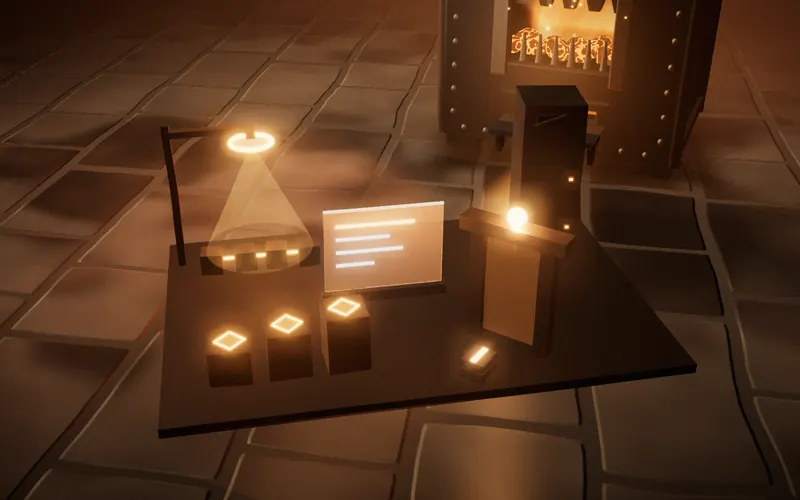
One iron floor with five parts: the chain cubes under a reader lens and its cone of light, the server rack with a barred empty key slot, the glass tab with plan rows, three program blocks with lit stamps, and the verifier gate with a transaction about to pass.
Five parts on one floor: the reader lens over the chain, the three program blocks, your glass tab, the verifier gate, our server with no slot for keys.

Reading

The chain, read only

What
Public RPC reads of each wallet: SOL, token accounts, empty accounts, the rent locked in them, priced and unpriced coins.
Where
Our stateless step and your tab, with the same code as the free report.
Touches
Public addresses only. Reading asks for no key and no signature.
Moving

The chain's own programs

What
The system program moves SOL. The token programs close accounts and burn coins. A swap route sells a priced coin.
Where
On the chain, in transactions built in your tab.
Touches
Only the programs the plan names. The swap route is under study, not promised.

Signing

Your tab, or your wallet app

What
With pasted keys, the tab signs. With connected wallets, the wallet app signs.
Where
On your device. A key is never in a request, a link, a store or a log.
Touches
Nothing outside your device until a signed transaction is sent.

Checking

The verifier

What
Separate code that reads every transaction against the plan: programs, destination, amounts, fee line.
Where
In your tab, before the signature step.
Touches
Nothing. It only says yes or no, and a no stops the run.

Our side

Static files, one stateless step

What
This page, the free report, and one step that builds a plan for public addresses and relays what you signed.
Where
One small server. No accounts, no database, no cookies, no addresses in logs.
Touches
Nothing of the job survives a restart. Keys never arrive here.

03 One command

Keys in, one address,
press Run.

You give the manager three things and one word. It asks for nothing else until the signature step.

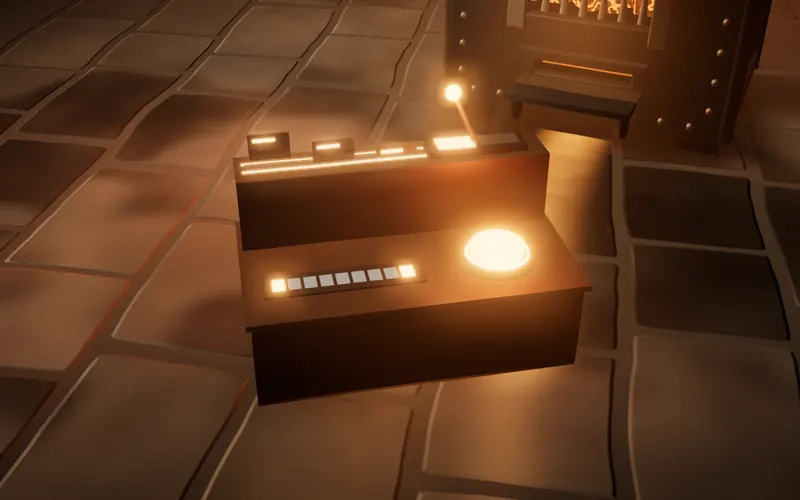
The console desk: three key cards sliding into a lit slot, a lever leaning to Gather, an address plate of nine cells, and one big lit Run button.
The console: three keys slide into the slot, the lever at Gather, one Run button, the address plate.
wallets key 1 · 88 characters · stays in this tabkey 2 · 88 characters · stays in this tabkey 3 · 88 characters · stays in this tab
direction GatherSpread
to your address, shown large, confirmed twice
Runreads, plans, checks, then waits for you

Illustrative. The real page shows the keys only as counts, never as text.

Gather

Everything freed goes to one place.

Every wallet is cleaned, the rent comes back, the priced coins that pay for a swap are sold, and all of it lands on the one address you chose. The small wallets end empty.

Why
One wallet to watch instead of five. Rent back from accounts you forgot. Fewer places for a scam to reach.
Then
The empty wallets can be left behind. A pasted key is burned with them: after the job, do not use that wallet again.

Spread

SOL from one wallet to many of yours.

The other direction: one wallet with SOL feeds the others, in the amounts you type, one transaction each. The same checks, the same signature step.

Why
A fresh wallet cannot pay its own first fee. Spread gives each one the float you choose, in one run instead of five hand transfers.
Then
Each wallet holds what you set, to the lamport, and the receipt lists every transfer.

04 Many moves, one order

How the moves are set,
and why it is fast.

A run of five wallets can be forty transactions. The manager sets their order, their fee payer and their batches by rules, the same rules every time. This is the whole calibration.

  1. Fee payer per transaction. The wallet itself if it holds SOL; else the wallet of your set with the most SOL. A transaction may be paid by one wallet and authorised by another. Both are yours, both sign.
  2. Order inside a wallet. Close empty accounts first, because that is pure rent coming back. Then burn the dead coins you ticked and close their accounts. Then sell what pays for a swap. Then send what is left.
  3. Order across wallets. The wallet that pays for others runs last, so it still has SOL when the others need it. Spread runs the other way: the source wallet first.
  4. Batches. Up to eight closes go into one transaction, the chain's size limit decides the exact count. Fewer transactions, fewer signatures, fewer fees.
  5. Sending. Batches of one wallet go out together; the chain confirms each within seconds. A dropped transaction is rebuilt once and shown to you again, never re-sent in silence.
  6. Re-read before signing. The wallets are read a second time right before the signature step. If anything on the chain changed, the plan is rebuilt and you read it again.
The sorting machine: a queue of transactions on a belt, the fee-payer lever with a coin at its head, a crate with eight closes in two rows, and the second-read lamp whose light falls on the signature pad.
The sorting machine: transactions queue in, the fee-payer lever, eight closes packed into one crate, the second-read lamp before the signature pad.
  • secondsto readten wallets, one pass, public reads
  • no waitto planit is arithmetic, not a model
  • your paceto signone list, read once, signed step by step
  • secondsto confirmeach batch, on the chain, in the receipt

Most of a run is you reading the plan. Everything else is reads, arithmetic and the chain's own confirmation time.

Your own numbers.

Move the sliders. The figures are the arithmetic of the rules above, on the chain's own constants: nothing is read from a real wallet and nothing is sent anywhere.

0.0417 to 0.0571SOL of rent back: new accounts hold 0.00149, older ones 0.00204
7transactions, one signature each
0.00004SOL of network fees, from the set
0.00042SOL our fee at least, 1% of the rent back
0.4712SOL on your address when it ends, at least: the set's SOL plus the rent, minus both fees

The set holds SOL, so every fee is paid from inside it: the wallet with the most SOL pays for the ones with none. Nothing to add. 7 transactions, 7 signatures, one list to read.

Constants: the deposit of an empty token account, 1,488,440 lamports (0.00149 SOL) for one opened since 11 September 2026 and 2,039,280 lamports (0.00204 SOL) for an older one, the chain's own figures (its rent is being lowered in five steps, SIMD-0437, two of them done); a base fee of 5,000 lamports per signature; up to eight closes per transaction, one send per wallet. A swap, when a priced coin is in the plan, is not counted here.

05 The engine

Four steps.
The fourth is yours.

This is the whole engine, run on three example wallets. It reads, decides who pays, writes the plan, checks it, and then waits for you.

The keeper at the furnace; a belt carries four crates, close, burn, sell, send, through the verifier gate to the signature pad.
The furnace builds the transactions; the belt carries them through the verifier gate to your signature pad.
the manager · example run illustrative
Press Run, or pick a direction. Example wallets; nothing is real.
  1. readwallet A · 0.000 SOL · 12 empty accounts · 3 dead coins · 1 priced coin
  2. readwallet B · 0.412 SOL · 7 empty accounts · 2 dead coins
  3. readwallet C · 0.018 SOL · 4 empty accounts
  4. payA holds no SOL: B pays A's fees · B pays its own · C pays its own
  5. planA: close 12 · burn 3 (ticked by you) · sell 1 (worth more than the swap) · send to your address
  6. planB: close 7 · burn 2 (ticked by you) · send to your address
  7. planC: close 4 · send to your address
  8. check9 transactions · programs ok · destination ok · amounts ok · fee line ok
  9. signwaiting for you · 9 signatures, one per transaction · nothing has moved
  10. done23 accounts closed · 5 coins burned, their 5 accounts closed · 0.042 to 0.057 SOL of rent back · 1 coin sold · fee 1% of the SOL freed · receipt printed · nothing kept

The run repeats while it is on screen. Without script it stands still at the end.

Four checks, one verifier.

Every transaction passes the four checks before it reaches your wallet. One failed check stops the run and says which one.

Programs

Only the programs the plan names: system, token, and the swap route when a sale is in the plan. Anything else: refused.

Destination

Your address and only yours. A look-alike address is caught before the plan is built.

Amounts

Every lamport equals the plan you read. Not one more, not one to a different place.

Fee line

Our fee equals the published rule, 1% of the SOL freed and 0% when taken as the coin. A different line: refused.

Two doors, one engine.

Paste the keys, or connect the wallets. The engine behind the door is the same; what differs is where the signature is made.

Door 1

Paste the keys

Signs
Your tab, from the keys you pasted, one per wallet.
Leaves the tab
Signed transactions only. A key is never in a request, a link, a store or a log. With the network off, the plan still builds and signs; only sending needs it.
Kept
The keys live in memory and are cleared when the job ends or the tab closes. No autofill, no analytics, no third-party script.
Accepts
Private keys only. A seed phrase of 12 or 24 words is refused, and the page says why.
After
You typed keys into a website. When the job ends, leave those wallets behind and use fresh ones. The page says so, every time.
Status
In design under these rules, and not opened until every one of them holds in tests with throw-away wallets.

Door 2

Connect the wallets

Signs
Your wallet app, one wallet at a time, on a phone through the app's own browser or on a laptop.
Leaves the tab
Signed transactions only. No key ever leaves the wallet app.
Kept
Nothing.
Accepts
Any wallet app that can connect to a page.
After
Nothing to do. The wallets stay yours as they were.
Status
In design, the same engine, the same checks.

06 Nothing kept

What stays where,
and what never moves.

The chain is public and always was. What is private is you: your keys, your plan, your receipt. They live in your tab and nowhere else.

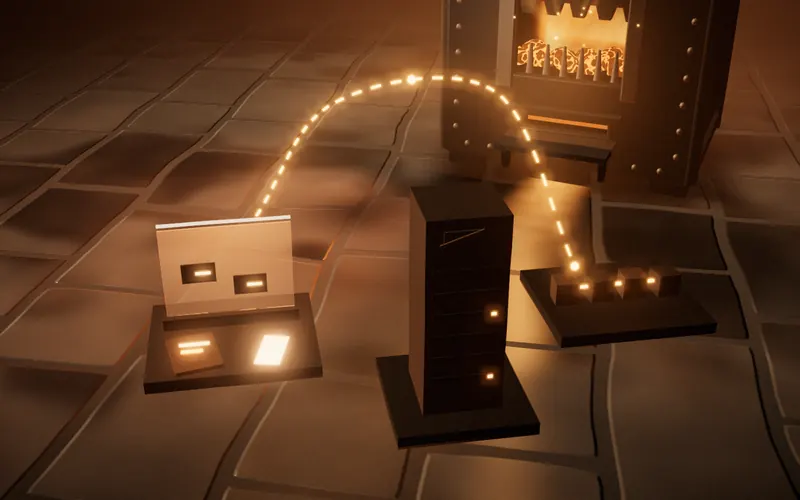
A glass pane on a plinth with key cards, a plan and a receipt; a server rack with an empty barred key slot; linked chain cubes; one lit dashed path from the pane to the chain, nothing to the server.
Your tab holds the keys, the plan and the receipt; the server has no slot for keys; the chain keeps the record. One path, tab to chain.

Your tab

  • the keys you pasted
  • the plan you read
  • the signatures
  • the receipt

cleared when the job ends

Our server

  • this page and the report
  • one stateless plan step
  • no accounts, no database, no cookies
  • no addresses in logs

keys: never here

The chain

  • every transaction, as always
  • the receipt you can trust
  • public, forever
  • not ours

the only record

What leaves your tab

  • Signed transactions, to the chain.
  • Public addresses, to the plan step that reads them.
  • Keys. Never, in no form, to nobody.
  • Your plan or your receipt. They exist in the page you have open; close it and they are gone.

The risk that stays

Published code can be replaced by a bad update or a stolen hosting account. Against it: a published hash list for every file, a watcher that compares the live site with the list, and a one-command return to the last good release. The page shows the build's hash, so you can check the code you are running.

What we can see

The same as anyone: the chain. Which addresses were read, what was closed and what was sent is public there. Who you are, which keys you hold and what you planned are not, and they do not reach us.

07 Where it stands

Four stages.
No date yet.

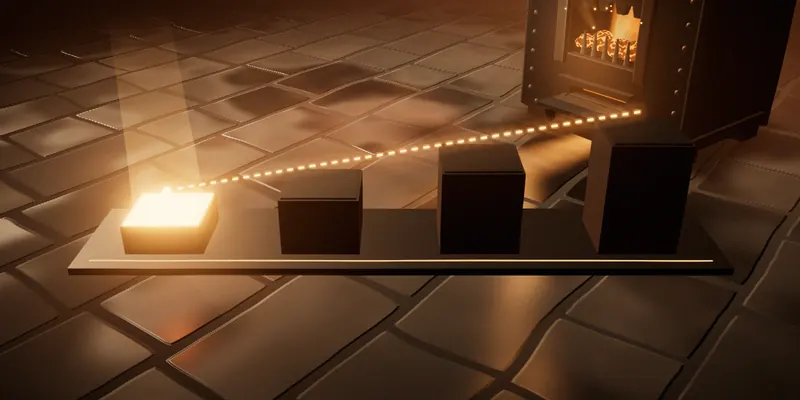
Four plinths rising on one road: the first lit with a column of light, the other three dark, a dashed light line over their tops.
Four stages on one road. Design is lit; no date on the others.
  1. now

    Design

    The rules on this page, written down and argued over. The fee payer rule, the order, the four checks, the two doors.

  2. next

    Build

    The plan step, the verifier, and the console above with real wallets behind it. The swap route and the fee float are open points until then.

  3. then

    Tests

    With throw-away wallets only. Every rule above has to hold, including the ones for pasted keys, before anyone else is let in.

  4. after

    Open

    To anyone, next to the report and the cleanup that are open today. The date goes on this page the day it is known.

What people complain about, and what we add for it.

Read in October 2026 across wallet reviews, forums and security reports. Five things that come up again and again, and the plain promise we make for each. The sixth is the one we cannot make.

The complaintWhat we addThe promise, in plain words
"My SOL is locked in empty accounts I did not know I had."The free report today; every wallet in one run with the manager.Every empty account, in every wallet of your set, found in one pass and closed with your signature.
"A wallet with no SOL cannot clean itself."The fee payer rule.A wallet with no SOL is cleaned with the SOL of another wallet in your set. Nothing to send by hand first.
"Spam coins and bait airdrops fill my wallet; I cannot tell what is real."The scam investigator, in build; the tick-to-burn step.Dust and bait are flagged before you touch them. Nothing is burned unless you tick it.
"An approval I forgot keeps draining me."Delegates listed in the report; revoke as a plan step.Delegates you did not mean to leave are shown, and can be revoked in the same run.
"The transaction dropped and I paid anyway."Simulation before the signature; the rebuild rule.No transaction goes to your wallet unsimulated. A dropped one is rebuilt once and shown to you, never re-sent in silence.
"They took my coins. Get them back."Nothing. Nobody can.No promise. Nobody can reverse a Solana transaction, and anyone who offers to is the second scam. The investigator helps before, not after.

By hand, and with the manager.

The same seven jobs, done one wallet at a time in a wallet app, and done by the manager. No other product is described here, only the work.

The jobBy hand, one wallet at a timeWith the manager
Wallets in one runOne. Connect, clean, disconnect, next.All of them. One read, one plan, one receipt.
A wallet with no SOLCannot pay its own fee; you send it SOL first, by hand.The wallet of your set with the most SOL pays for it.
The order of stepsWhatever order you click.Close, burn, sell, send: the same order every time.
Before you signWhat the app shows you, if it shows it.Four checks against the plan: programs, destination, amounts, fee line.
When a transaction dropsYou notice, or you do not; you try again.Rebuilt once and shown to you; never re-sent in silence.
SOL for fresh walletsOne transfer per wallet, by hand.Spread: the amounts you type, one run.
What is kept afterwardsDepends on the app.Nothing on our side. The chain keeps its record, as always.

08 Questions

The questions we expect.

What does it cost?

1% of the SOL freed, and no service fee when it is taken as the coin. Network fees are the chain's, a few thousand lamports per transaction, paid by the fee payer of your set. No subscription, no account.

Is this artificial intelligence?

The engine is a fixed set of rules, all of them written on this page: the same wallets give the same plan every time. No language model builds a transaction, touches a key or routes a single lamport. The word AI on the door says what the thing is for, and this page says exactly how it does it.

Does it keep my keys?

No. Through the connect door a key never leaves your wallet app. Through the keys door it never leaves your tab, and it is cleared when the job ends or the tab closes.

Why paste keys at all?

Because some wallets cannot connect, and because five wallets in one run need five signers in one place. The keys door exists for that. It is the riskier door, the page says so, and it opens only when every rule for it holds in tests.

Can it recover lost or stolen funds?

No. Nobody can reverse a Solana transaction. Anyone who writes to you offering that is the second scam.

Will it sell my coins?

Only a priced coin, only when it is worth more than the swap costs, and only as a step you read in the plan first. Below that line the coin is burned and its account closed, if you ticked it.

Can I use it with one wallet?

Yes. One wallet is a set of one: the same plan, the same checks, the same receipt.

Does it work on a phone?

The connect door does, through your wallet app's own browser. The keys door on a phone is not decided yet.

What if a transaction fails?

The run stops at that step and says so. What went through is on the chain and in the receipt; nothing half-done is hidden. You can run the rest again from a fresh read.

Can I check the code I am running?

Yes. The page shows the build's published hash, the hash list is published, and a watcher compares the live files with the list.

When does it open?

No date yet. The report and the cleanup are open today. The manager opens when every rule on this page holds in tests with throw-away wallets, and the date goes on this page that day.

09 Hear it first

Hear it first.
One mail when it opens.

Leave an address. When the manager opens, you get the news before it is posted anywhere else.

We keep the address for two mails: one now, one when the manager opens. A link in each removes it. It is used for nothing else.

Open today

Until then, two things are open.

The free report counts the dead accounts in any wallet. The cleanup closes them, one wallet at a time, with your signature.